Pilot 1
Establish the operating standard through disciplined commissioning, reliable records and demonstrated performance. Transfer accepted lessons through controlled procedures and training.
Meet the Pilot 1 team model →
The proposed portfolio separates equipment, operating records and campaign timing while retaining common process standards.
Each pilot is planned around a 48-person core, supported by shared corporate specialists, qualified relief and external experts. Mike Iannacchione will handpick the five senior pilot general managers. Explore each team’s responsibilities, qualifications and operating interfaces.
Establish the operating standard through disciplined commissioning, reliable records and demonstrated performance. Transfer accepted lessons through controlled procedures and training.
Meet the Pilot 1 team model →Apply accepted learning while independently qualifying the site, source material, equipment readiness and people. Replication retains each pilot’s own release requirements.
Meet the Pilot 2 team model →Maintain operational depth as the portfolio grows, with attention to specialist availability, maintenance coverage, laboratory continuity and coordinated logistics.
Meet the Pilot 3 team model →Coordinate concurrent operations and campaign moves while protecting each site’s essential people, critical spares, safe work and maintenance commitments.
Meet the Pilot 4 team model →Prepare the latest pilot for production and the common Month 60 commercial boundary, including final shipments, settlement and site-release duties.
Meet the Pilot 5 team model →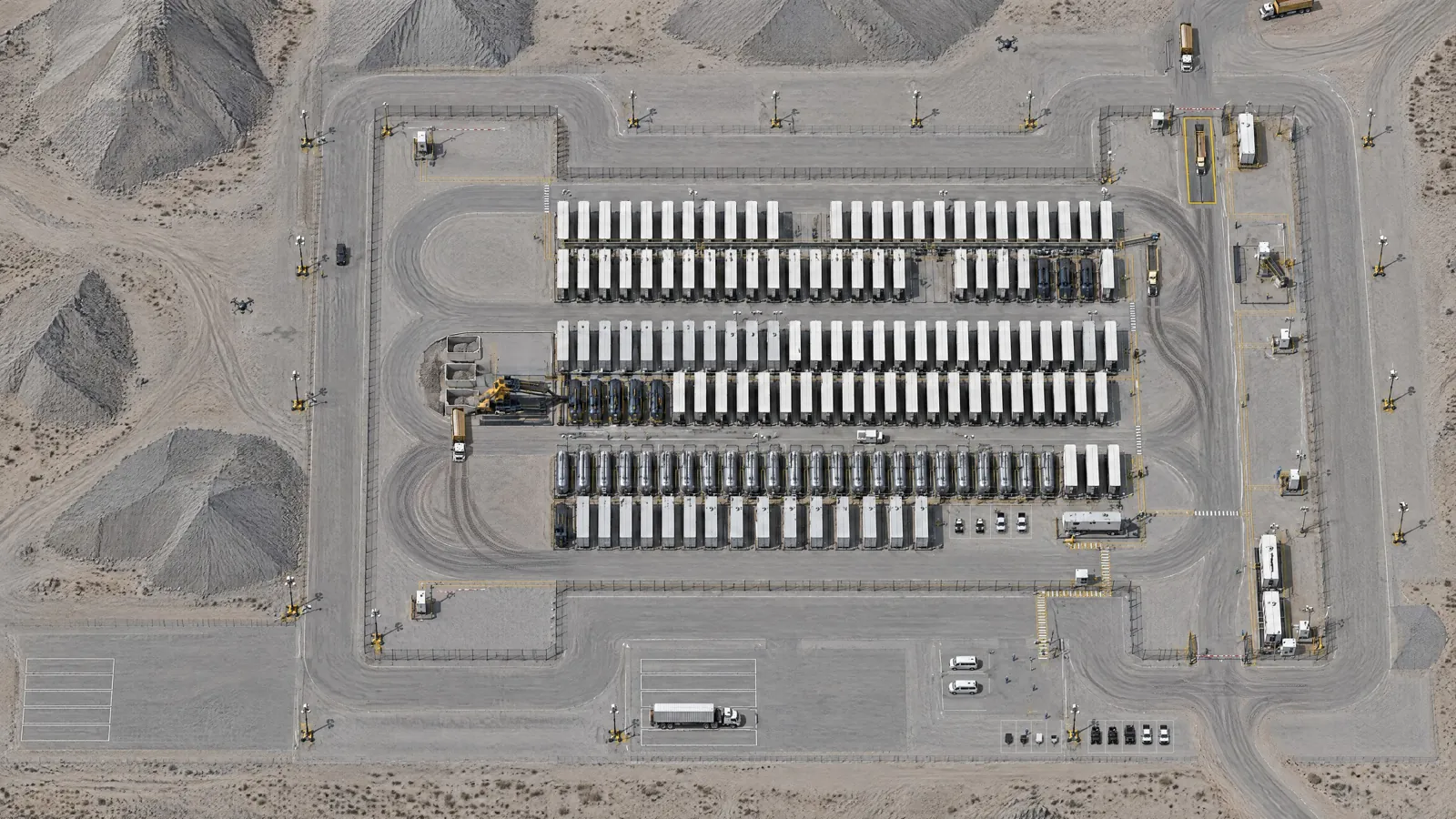
Each plant carries ordinary process equipment, laboratory, water inventory, control and security functions.
A common architecture supports comparable procedures, performance measurement and maintenance.
Site identity, lot records, production, inventories and commissioning remain distinct.
M1 is February 2027. Introductions at M1/M7/M13/M19/M25 are conditioned on funding, site readiness and technical acceptance. Launch begins startup; it does not mean a producing plant.
Sand=startup and ramp · Green=modeled full-rate interval · Gray=remaining lifecycle cash. The chart shows planned stages, not verified operations.
| Pilot | Funding / launch | 30% ramp / first feed | 70% ramp | Full-rate start | Stop period | Last lifecycle cash period |
|---|---|---|---|---|---|---|
| P1 | R1 / M1 | M10 | M11 | M12 | M56 | M60 |
| P2 | R2 / M7 | M16 | M17 | M18 | M58 | M60 |
| P3 | R3 / M13 | M22 | M23 | M24 | M60 | M60 |
| P4 | R4 / M19 | M28 | M29 | M30 | M60 | M60 |
| P5 | R5 / M25 | M34 | M35 | M36 | M60 | M60 |
First feed is project M10/16/22/28/34 and full-rate starts are M12/18/24/30/36. Production ends are M56/M58/M60/M60/M60, with the final commercial boundary at M60,31 January 2032. Principal maturity is elapsed M36/42/48/54/54; participation rights may continue after principal maturity until capped, subject to actual cash.Schedule basis →
Five physical pilots create separate operating campaigns. If earlier launches achieve their milestones, later investors can examine more operating evidence. That does not establish statistical independence, legal ring-fencing, secured feedstock or a guaranteed or exponential decline in risk.
Portfolio claim boundary →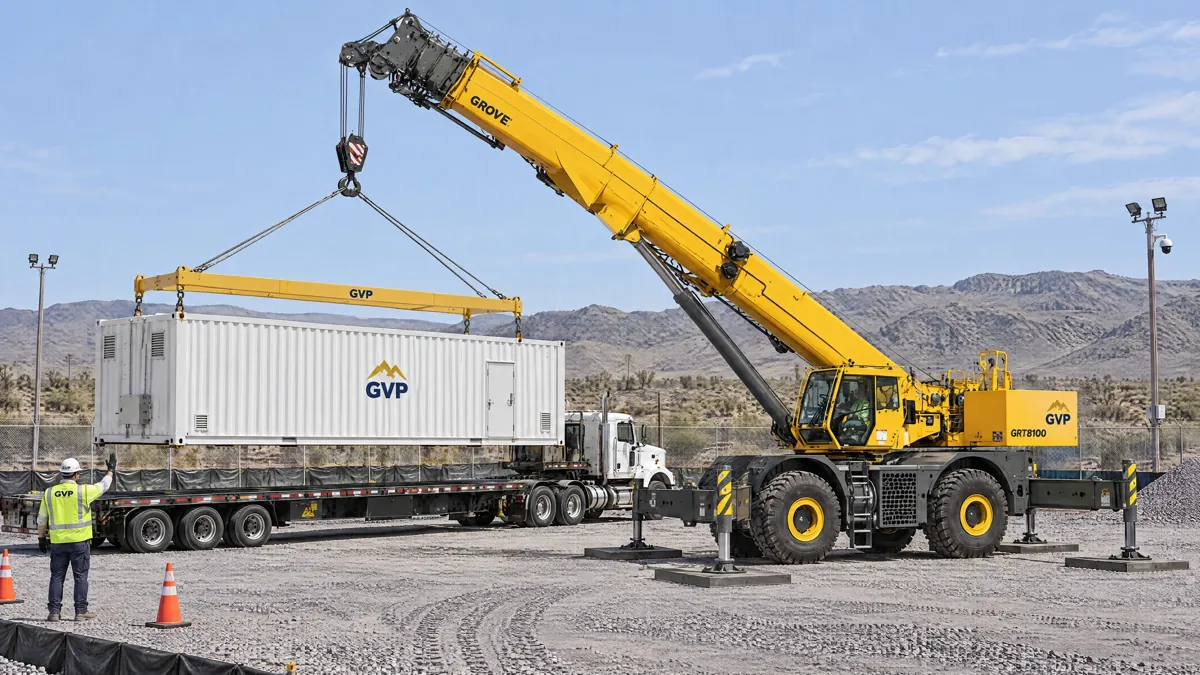
Reinforced frames and container-sized bodies use reusable supports and prepared sites. The four-day move and seven-day advance objectives need demonstrated transport, ground, installation and operating readiness.
Specialist terrain equipment is shared under a one-at-a-time planning assumption. Availability must cover setup, recurring support and demobilization.
Mobility and terrain basis →Connect the repeatable architecture with qualified material, actual site readiness and committed capital.
Request investor access → Review the debt program →Eligibility, investment terms and commitments are established through approved offering documents and diligence. Forecasts are conditional. Repayment is not guaranteed.